HMRC’s Making Tax Digital for Income Tax Self-Assessment (MTD for ITSA) regime begins in April 2026, introducing a new digital reporting system for many self-employed individuals and landlords. The changes move away from the traditional annual Self-Assessment tax return towards digital record keeping and quarterly reporting.
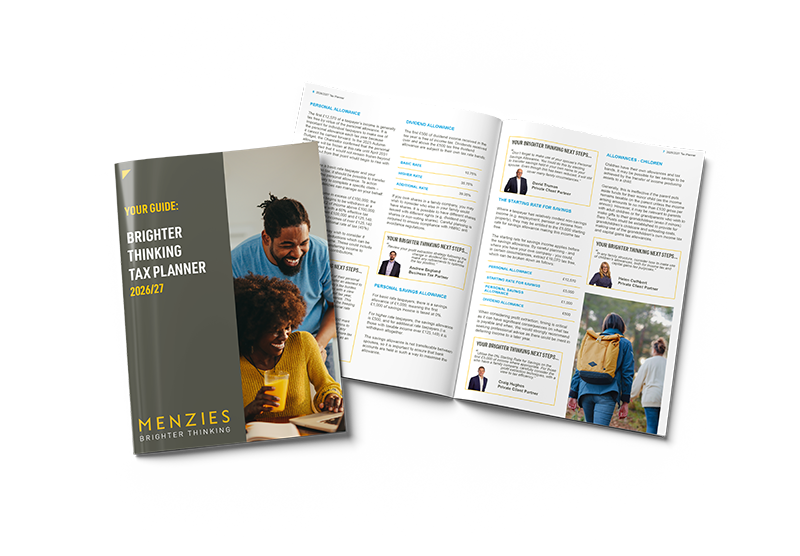
Download our Brighter Thinking Tax Planner
Who is affected?
MTD will apply to sole traders and landlords whose combined gross turnover from self-employment and/or property exceeds certain thresholds. The test is based on gross receipts, not profit.
| Income Band | Applies To | Mandatory From |
| Over £50,000 | Sole traders and landlords | April 2026 |
| £30,000 – £50,000 | Sole traders and landlords | April 2027 |
| £20,000 – £30,000 | Sole traders and landlords | April 2028 |
Partners in partnerships are currently outside the scope, although this may change in future.
What will taxpayers need to do?
Individuals within scope will need to:
- Keep digital records of business and rental income and expenses using compatible software
- Submit quarterly updates to HMRC summarising income and expenses
- Submit a final annual declaration by 31 January following the end of the tax year
Key quarterly reporting deadlines
For the first year of MTD reporting, the quarterly deadlines will be:
| Quarter | Deadline |
| Apr – Jun 2026 | 7 August 2026 |
| Jul – Sep 2026 | 7 November 2026 |
| Oct – Dec 2026 | 7 February 2027 |
| Jan – Mar 2027 | 7 May 2027 |
At present, there is no indication that these changes will result in quarterly tax payments.
While MTD introduces additional administrative requirements, the system is intended to improve accuracy and give taxpayers greater visibility of their tax position throughout the year, supporting better cashflow planning and more proactive tax advice.
Download the full 2026/27 Tax Planner for further detail on Making Tax Digital and other key tax changes.